How to Stop Protective Barking in Dogs
As they say in New Jersey, “not for nuthin’,” but protective barking in dogs can escalate into real aggression, and that’s a genuine liability risk to have on your hands.
Honestly, a Little Protective Barking Is Normal
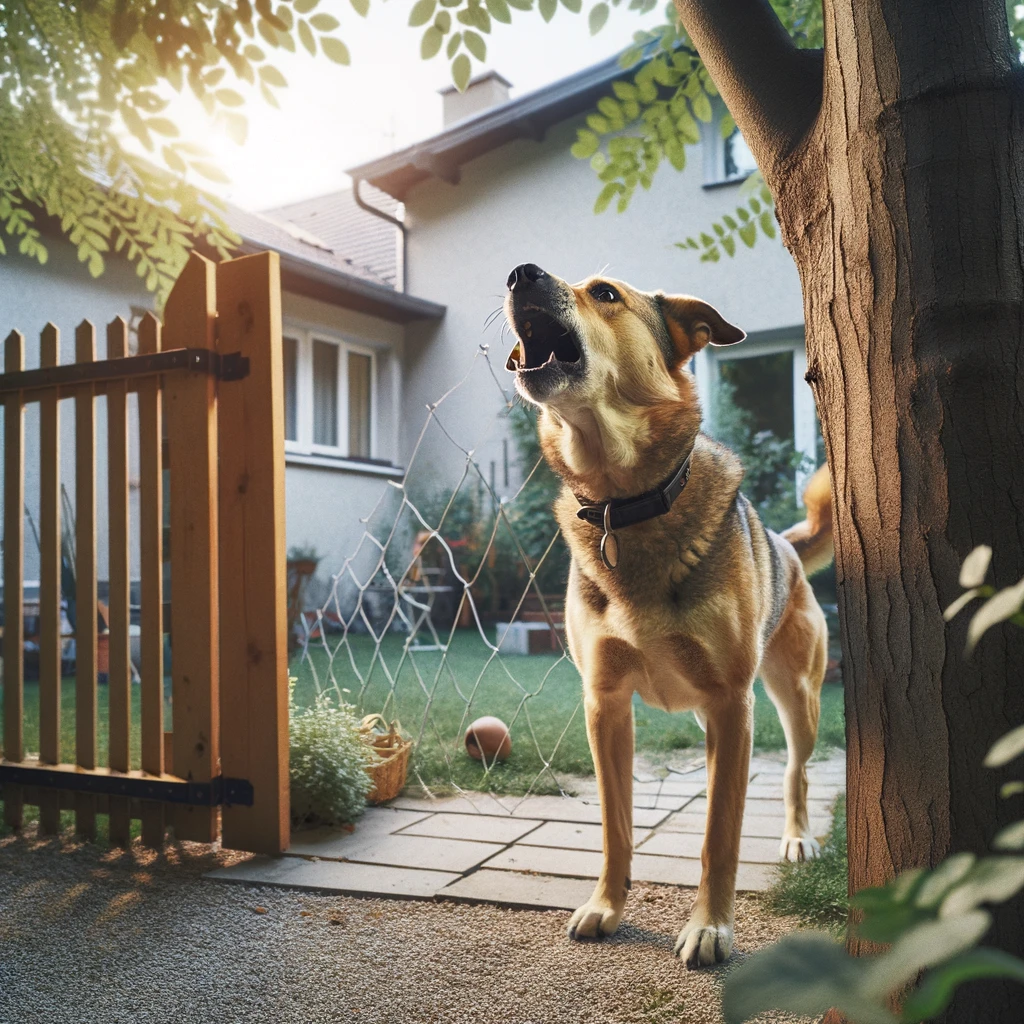
If there’s a bark or two I can deal with and would expect from a dog, it’s protective barking. You and I alike can feel at ease knowing our dog is doing something humans have relied on for centuries — alerting us and standing between us and a perceived threat.
The Catch
There’s a catch, though. Protective barking is actually a form of aggression, and if it’s allowed to escalate, it becomes a hard habit to break. Next thing you know, your dog is barking over things that aren’t remotely threatening, maybe even snapping or growling. That’s where protective barking turns into a real problem.
Protective barking and growling have no place in the relationship between a dog and its owner — unless your dog is actually tasked as a guard dog. Unfortunately, there’s a fine line between protective and overprotective, and dogs can confuse the two for a variety of reasons.
Overprotection isn’t one clean category, either. Object guarding, territorial aggression, aggression toward people, aggression toward other dogs or animals, and food guarding are all distinct issues — but they share one common root: most of them grow out of protective barking and protective behavior left unmanaged.
A Few Common Examples
Here are a few scenarios worth recognizing before we get into training techniques:
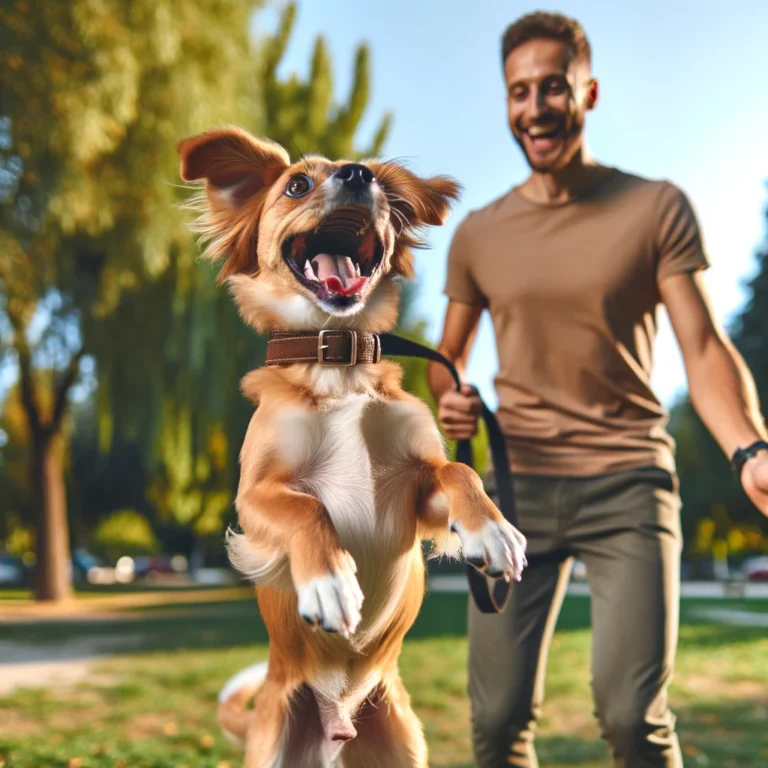
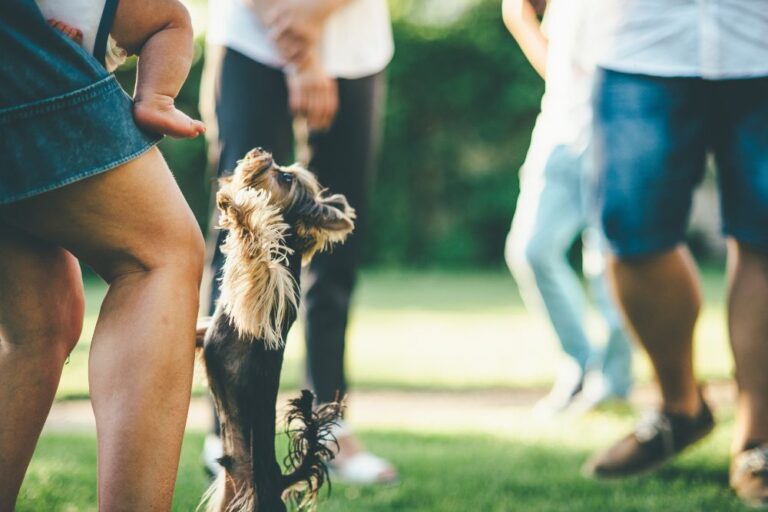
- A dog on lead having an afternoon walk suddenly gets scooped up by its owner as another dog or person passes by. Held up in the owner’s arms, the dog goes nuts — barking like it wants to take someone’s head off. This is textbook protective/overprotective behavior 99% of the time, and picking the dog up doesn’t address the problem — it inadvertently reinforces it.
- You show up to a friend’s place for the game, and his 60-pound lab mix greets you at the door barking, ears perked, tail straight, hackles up, body stiff. Protective barking just ruined the pregame.
- You rent a beach cottage for a week, and every day on your walk down to the sand, some Dachshund matches your pace step for step along a chain-link fence, barking and growling like you’re on the menu. There’s probably some anxiety mixed in there too.
Hopefully you’ve got a clearer picture now of what overprotective behavior actually looks like, or you recognize a situation you’ve been part of yourself. Now let’s figure out where it comes from and how to nip it in the bud.
TIP: Many dogs — certain breeds more than others — are instinctively protective. That’s not a flaw to train out entirely; it just needs boundaries.
Problems Begin Early, and Usually Unknowingly
From an early age, many puppies get encouraged or praised for barking. It seems cute — “Oh yeah, he’s going to be a great protection dog!” — but it’s a bad way to start with a pup unless you’re aiming for an aggressive, untrustworthy adult dog. As your dog matures and becomes strong-minded, behavior conditioned this way from a young age can become hard to control. Socializing early is a far better strategy.
So for starters: don’t reward or praise your dog for barking or any aggressive posturing toward non-threatening people, pets, or animals. Your best move is to correct your dog with a voice command or another method that breaks its focus on the trigger and redirects focus back to you. A “sit-stay” command works well to pull the mind away from the situation. An alarm bark or two at the doorbell is fine — keep it to one or two barks and call it done.
Step-by-Step: Correcting Protective Barking
- Be the calm, confident leader in the moment. Stand tall, use a confident tone, and if needed, step in front of your dog to block its line of sight to the door or trigger. Make eye contact and command a sit or down.
- Use structured leash corrections if needed. With more advanced aggression cases, trainers often use a training collar and long lead: let the dog wander out, wait for it to key in on the trigger, then give a leash correction and recall. You can achieve the same effect with a clear command and a rewarded recall if your dog is already tuned in to you.
- Or use positive reinforcement with sharper timing. A clicker or training whistle works well to regain focus the moment protective barking begins. The difference here is timing: instead of bringing an already-escalated dog back down, you’re catching the behavior right as it starts.
- Charge up your clicker first. Spend 10 minutes rewarding something easy, like a “sit” or “come,” so your dog is tuned in and ready. Then have a friend or family member ring the doorbell or knock. The instant it happens, click and reward your dog for staying quiet. You can allow one or two alert barks before the click, but at the click, focus should shift immediately back to you.
- Practice the same method on walks or at the dog park. Keep the clicker handy and use it any time protective barking starts to flare up in public.
Beyond these, other correction tools people use include vocal commands, a light touch to redirect (not punishment), a leash correction, a can of pennies for a startle-and-refocus sound, or a spray bottle. The objective is always the same: shift your dog’s focus off the trigger and back onto you.
Basic obedience training goes a long way here, since it builds the communication layer everything else depends on. If you haven’t already, our dog obedience training guide is a good place to start — going back to basics there makes every other behavior issue easier to correct.
Be the consistent leader of your pack, and your dog will look to you when startled, confused, scared, or agitated. From there, you can show your dog exactly what’s expected.
Frequently Asked Questions
Is protective barking the same as aggression?
Not quite, but it can become aggression if left unchecked. Protective barking starts as an alert response. Left unmanaged, it can escalate into growling, snapping, or lunging — genuine aggression — especially if the dog learns that barking successfully drives the “threat” away.
Should I ever let my dog bark at the door?
One or two alert barks when someone knocks or rings the bell is completely normal and can even be useful. The goal isn’t silence — it’s teaching your dog to stop on command rather than escalate.
Is picking my dog up when it barks at other dogs a good idea?
No — it’s one of the most common ways owners accidentally reinforce protective barking. Picking a barking dog up communicates that the behavior worked, since the “threat” seems to go away right after the bark. Better to redirect focus with a command and reward calm behavior instead.
Can certain breeds be more prone to protective barking?
Yes. Breeds developed for guarding or watchdog work are often more instinctively protective. That’s not a problem in itself — it just means training boundaries and clear redirection commands matter even more with these breeds.
Protective Barking Summary
Dogs are dogs, right? Sure — but an overprotective dog spells trouble. Protective barking may be turning into a real problem if any of the following sound familiar: your dog barks and growls at people, pets, cars, or everyday things with no real threat present; you struggle to get your dog to stop barking once it starts; visits to your home always turn into an event built around settling your dog down; your normally mellow dog lunges or snaps at people while out on a walk; you find yourself warning others, “be careful, he may bite”; or barking has become more frequent for no clear reason.
If any of that sounds familiar, our dog behavior and training page has more resources to help you work through it.