Dog Behavior Training
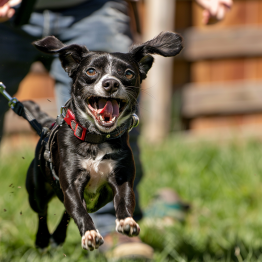
Effective Dog Behavior Training Techniques for a Happier, Well-Behaved Pet
Let’s face it, no dog is perfect.. And if you have a dog that needs an attitude adjustment, you’ve arrived at the perfect place.
Dog Behavior Training & Behavior Modification
What’s the purpose of dog behavior modification? To correct a confused dog’s bad behavior and we’ll help you with that here. I for one have had my share of problem dogs but thankfully, there are techniques I can show you that address many of the most common behavior problems.
Dog behavior training, also known as “behavior modification” is used in different ways to address specific problem behavior and bad habits. Unlike obedience training, behavior modification differs in that we are not conditioning commands such as sit, stay, heal, etc. In this case we are focusing on a specific problem and the training is aimed at modifying the behavior appropriately.

A dog going for the neck is a perfect example of the need for dog behavior training.
First there are a couple of points I’d like to make. In most cases dog obedience training is used for a different reason than dog behavior modification. Yet in many instances, obedience techniques are used in conjunction with behavioral modification methods. Next, a well socialized dog with a solid obedience skill set is less likely to develop any behavior problems at all.
And as always with any type of dog training, methods and beliefs will vary with the particular trainer. Yet the basics are similar and that’s where everything starts. Bad dog behavior can be quite troubling, I know.
Should you have a dog with problem behavior, our library of dog training tips offers found on our dog behavior and training page will provide excellent suggestions to help break these habits. Techniques used by many professional trainers and behaviorists the world over.
I have experience with over a dozen different breeds and can tell you, certain breeds can be somewhat tougher to handle than others. I’ve also found that many bad habits are developed early on during puppy development, simply because there’s a lot we have to be aware of. But fortunately, it’s never too late to modify a dog’s behavior.
Many small breeds can obsess & become protective of their owner.
>> Best Dog Behavior – Click Here <<

Causes
Often there are underlying issues to bad dog behavior. Could be a dog was poorly socialized, attacked, traumatized, left alone in a crate or fenced back yard, had limited human interaction, or similar scenario. On the other hand, spoiling a dog or treating a dog as a human equal can also lead to behavior problems, since the dog has incorrectly defined its position in “the pack”. Failure to establish hierarchy within your home or lack of training and exercise can lean to problems requiring alpha dog training to modify behaviors like aggression.Separation anxiety is another difficult challenge with its own complications. Age, physical condition and medical problems can also affect the temperament of a dog so it’s important to consider these factors when making an evaluation.
I know this may seem like a lot take in but it can be handled and believe me, it’s not uncommon for any of us, at one point or another, to come across some type of behavioral issues with our fur kids.
Solution
First and foremost we must realize a dog is a dog and will behave like a dog. This is genetically programmed instinctive behavior. All breeds are not created equal. Certain breeds are more prone to be aggressive or assertive, while others, calm, passive even fearful. The end result and behavior of our dogs however, is directly related to how we raise them. Socialization, exercise, love, food, affection and guidance all play a major role.
From day one it”s important to understand dog behaviour, pick up on early warning signs of future potential issues and address them before they manifest. Yes, in a perfect situation we would all catch our young pups and nip this in the bud now. Yet some may adopt an older dog with bad behavior, or, over time bad habits develop that need to be addressed.
With dog behavior training you first must determine what kind of behavior needs to be modified. Further, try to determine the underlying cause for this behavior. It is also important to rule out any possible medically related issues so most professional behaviorists will ask a new client receives a full Veterinary exam. Next, breed behavioral traits are considered, as well as, environmental factors and family structure/routine.
The key to dog behavior training and solving behavioral issues is to first understand its cause. From here, adopt a behavior modification plan stay consistent, patient and don’t give up. In many cases most dogs can be rehabilitated, it’s us, their owners that often need to be taught how to accomplish this!
TIP: For specific behavior modification how-to articles please visit our dog behavior and training main page.
To Summarize
Behavior issues can surface at any time over the life of your dog and reasons vary, yet there is almost always an underlying issue behind the problem. Addressing and solving these problems can be accomplished with dog behavior training & behavior modification techniques that we’ve provided on our dog behavior and training main page.
This is never an easy process and it’s imperative we discover what the culprit is behind these changes. A full Veterinary evaluation will assure change in behavior is not associated with a medical condition or illness. While we are here to help, always seek the advice of a professional behaviorist when dangerous issues such as aggression are relevant.