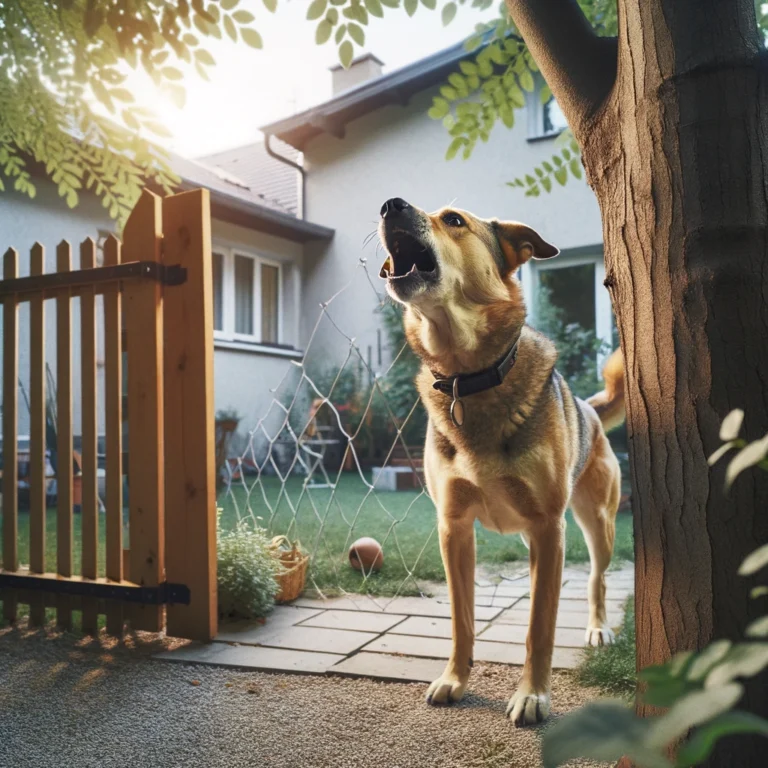
Stop Dog Boredom Barking
Is your dog bored to death? Here’s how to deal with boredom barking, with practical, real-world tips rather than guesswork.
Let’s Stop Dog Boredom Barking
We’ll call it boredom barking, though many dog behavior experts are on the fence about whether a dog truly experiences “boredom” the way we do — that word is really a human emotion. What’s actually going on is a deficit of stimulation in the dog’s environment. For simplicity, we’ll keep calling it boredom, since it’s a feeling you and I can relate to.
Funny thing is, one dog may act out from understimulation while another in the exact same situation just sleeps the day away — probably where the term “lazy dog” came from. To be fair to all our four-legged companions, though, certain breeds have real working instinct bred into them. If you own a dog from working, herding, sporting, or hunting lines, the odds of boredom barking go up significantly, especially without regular exercise.
Signs of a Bored Dog
A bored dog can react in a variety of ways, and the behavior is often quirky, annoying, or even destructive. These behaviors are typically self-stimulating and can include gnawing at walls or furniture, digging, scratching, pacing, and boredom barking.
As with most bad habits, fixing this starts with understanding why, how, and when the barking begins. The sound of boredom barking, if you’re around to hear it, is usually a monotone bark or woof, repetitive, with short breaks between long noisy sessions. It can go on for hours.
Figuring out when and how your dog barks isn’t easy, especially if you’re away when it happens. You may need to enlist a friend or neighbor to do some low-key spying. With eyes and ears open, they can fill you in on what’s happening while you’re gone and give you a clearer picture of what you’re dealing with.
Details like when the barking starts, how long each episode lasts, and how long the quiet breaks are all matter — these small pieces of information help you build a real plan of action. Some owners set up a camera or recorder before leaving to get an honest read on what’s happening. Others leave and circle back to listen or peek through a window. A little sneakiness goes a long way toward a clearer picture.
TIP: We’ve written specific articles covering different types of barking — you’ll find links to those on our dog behavior and training page.
Tips for Dealing With Boredom Barking
- Exercise your dog before you leave. This is genuinely the single most important tip on this list — a tired dog is typically a quiet dog when left alone.
- Tire your dog out mentally, not just physically. This matters especially for energetic, driven breeds from the working, herding, sporting, or hunting lines mentioned above.
- Leave an interactive environment. A marrow bone, or a Kong-style toy stuffed with peanut butter and frozen solid, can keep a dog occupied for hours.
- Use a scatter-feed or scent game. For dogs that aren’t crated, hide small pieces of a favorite treat around different rooms (or the yard, if your dog has outdoor access) and let them work at sniffing them out.
- Leave background noise on. A TV, streaming music, or a radio softens the boring silence and can mask some outside triggers too.
- Consider a second dog. Two dogs left together will often entertain each other rather than barking from boredom — though this only makes sense if you’re genuinely ready for a second dog, not as a quick fix.
- Build up alone-time gradually. Start with short absences and slowly increase the duration over time rather than jumping straight to a full workday.
TIP: How much exercise your dog actually needs varies by breed, health, and age. For some dogs, a short game of tug does the job. For others, nothing short of a mile-long walk or thirty minutes of fetch will actually tire them out enough to settle.
Enrichment Ideas That Actually Work
Beyond the basics above, a few specific enrichment tools consistently make a real difference for bored dogs:
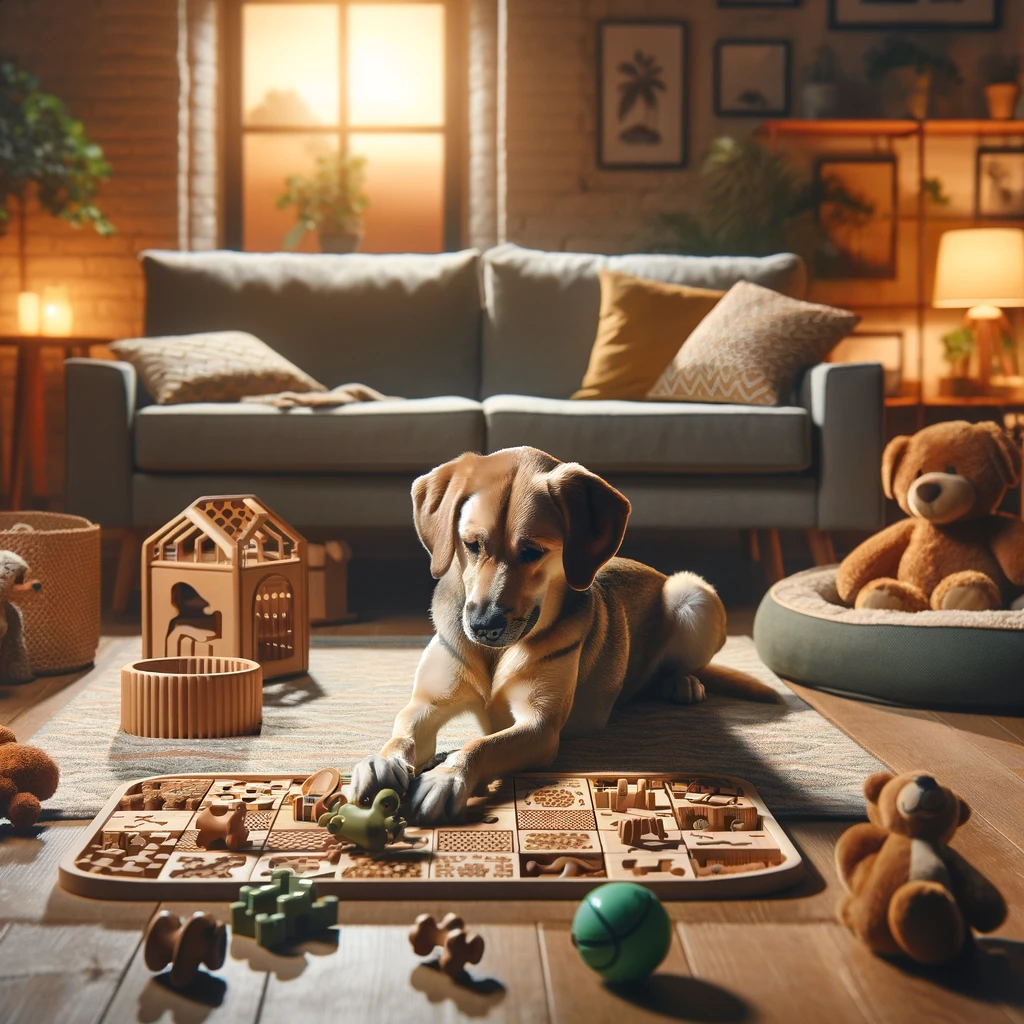
- Puzzle feeders and snuffle mats: turn mealtime into a 15-20 minute mental workout instead of a 30-second gulp-and-done.
- Frozen Kongs: stuff with wet food, peanut butter, or plain yogurt and freeze overnight — the extra time it takes to work through the ice adds real duration to the distraction.
- Rotating toy baskets: keep 3-4 toys out at a time and rotate the rest weekly. A “new” toy that’s actually just been out of sight for two weeks gets far more engagement than one that’s been on the floor daily.
- Window perches or safe outdoor views: for dogs that enjoy watching the world go by, a secure window view can be genuinely calming rather than a source of frustration — though for dogs that bark AT what they see outside, this can backfire, so watch how your specific dog responds.
Is It Boredom, or Something Else?
Boredom barking is often confused with separation anxiety, but they call for different fixes. Boredom barking tends to be steady, monotone, and doesn’t usually escalate in intensity the longer you’re gone. Separation anxiety barking is often more frantic, paired with pacing, drooling, destructive behavior focused on doors and windows, or accidents despite being house-trained, and it tends to peak in the first 30 minutes after you leave rather than staying steady throughout the day. If what you’re seeing sounds more like the second description, the exercise and enrichment tips above will still help, but you may also need a dedicated separation-anxiety protocol or a conversation with your vet.
Frequently Asked Questions
How long can I leave a dog alone before boredom barking starts?
It varies enormously by dog, but many bored dogs settle within the first 20-30 minutes once the initial excitement of your departure wears off, especially if they were properly exercised beforehand. If barking continues steadily for hours, that’s a sign the current setup (exercise, enrichment, or duration alone) needs adjusting.
Do puzzle toys actually reduce barking, or just delay it?
Both, and that’s fine. A good puzzle toy or frozen Kong buys 20-40 minutes of focused engagement, which is often enough time for a dog to settle into a nap afterward rather than pick barking back up.
Will getting a second dog definitely fix boredom barking?
Often, yes, since two dogs can occupy each other in ways no toy can. But it’s not guaranteed, and it’s a major commitment that shouldn’t be made purely to solve a barking problem. If you’re not ready for a second dog generally, focus on exercise and enrichment first.
Can boredom barking be fully eliminated?
For most dogs, yes, with consistent exercise and enrichment. Nothing is fully guaranteed since you’re not there to redirect the behavior in the moment, so it’s a bit of trial and error — but most owners see a real reduction within a couple of weeks of consistent changes.
Boredom Barking Summary
Boredom barking is typically self-stimulating and usually results from a lack of stimulation in a dog’s environment. It can be a genuinely difficult issue to work through since it happens while you’re away and can’t redirect it in real time.
It more often affects breeds bred to work — herding, sporting, and hunting dogs especially. Keeping a dog exercised and mentally tired resolves the problem for most owners with no additional training needed.
It also tends to affect single dogs more than pairs, since two dogs left together will often entertain each other. The tips in this article, combined with the enrichment ideas above, should give you what you need to make real progress.
With boredom barking, nothing is fully guaranteed since you’re not there to redirect your dog in the moment — it’s a bit of trial and error. Stay consistent and creative, and in time you’ll find what works. For more barking-specific guides, visit our dog behavior and training page.